
"one of the four major"
2000 article(s) found
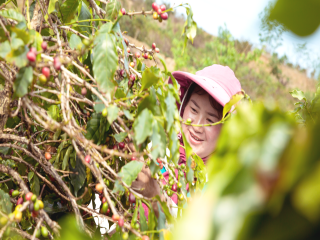
What is the flavor of coffee from the four major producing areas in Yunnan? Introduction to the characteristics of Katim Coffee varieties in Yunnan Province
"would you like to try our Yunnan beans-Qianjie 2013, these are the coffee beans we grow in Yunnan." This is the advice that baristas in front of the street will give when guests are faced with a blackboard bean list but don't know how to start. When some guests hear that these are Yunnan beans, their eyes will shine, and some curious guests will ask one more question. "
Ethiopian Sidamo Lion King Coffee Bean introduction Fine Coffee
According to the above four different modes of production, Ethiopian coffee can be divided into nine major coffee producing areas, including five boutique coffee areas: Sidamo, Yegashefi, Harald, Lim and Lekampu. and four general commercial bean producing areas: Gemma, Irugbo, Tibby and Bekaa. The sun or water washing methods are used in each district, and different treatment methods also affect the flavor.

Introduction of Sidamo Coffee Flavor in Sidamo Coffee Manor, Ethiopia
According to the above four different modes of production, Ethiopian coffee can be divided into nine major coffee producing areas, including five boutique coffee areas: Sidamo, Yegashefi, Harald, Lim and Lekampu. and four general commercial bean producing areas: Gemma, Irugbo, Tibby and Bekaa. The sun or water washing methods are used in each district, and different treatment methods also affect the flavor.

Why is Starbucks the boss of a Chinese coffee chain?
The article is reproduced from DT Financial WeChat account: DTCaijing author: Zhao Weiwen professional barista communication Please follow the coffee workshop (official Wechat account cafe_style) recently, the tea market is very popular. As one of the largest categories in the tea market, coffee has always been a battleground for soldiers. Especially in the first-tier cities with the largest audience, the competition among coffee brands can be fierce.

Introduction of Sidamo coffee beans with clear acidity and smooth taste
According to the above four different modes of production, Ethiopian coffee can be divided into nine major coffee producing areas, including five boutique coffee areas: Sidamo, Yegashefi, Harald, Lim and Lekampu. and four general commercial bean producing areas: Gemma, Irugbo, Tibby and Bekaa. The sun or water washing methods are used in each district, and different treatment methods also affect the flavor.

How to drink coffee to prevent disease? There are four rules for drinking coffee
Nowadays, coffee is no longer strange to the Chinese. Coffee shops in the city are all over the streets; in supermarkets and in front of vending machines, there are always people who pick up a bottle of canned coffee; and white-collar workers inevitably use coffee to refresh themselves during working hours. There is also an endless stream of research on coffee: new German research shows that drinking more coffee can help prevent hair loss in men; British dietary nutritionist

Sidamo guji coffee beans Ethiopian coffee production mode
According to the above four different modes of production, Ethiopian coffee can be divided into nine major coffee producing areas, including five boutique coffee areas: Sidamo, Yegashefi, Harald, Lim and Lekampu. and four general commercial bean producing areas: Gemma, Irugbo, Tibby and Bekaa. The sun or water washing methods are used in each district, and different treatment methods also affect the flavor.

The forecast of Chinese coffee market in the next 5 years: Starbucks will be out of date, and four major development trends will become the climate.
For professional baristas, please follow the coffee workshop (official Wechat account cafe_style) because tea has always been a monopoly in Chinese tradition, which makes the development of coffee in China extremely slow. With the change of public life and consumption concept, more and more people begin to fall in love with coffee. From 2011 to 2016, China's coffee market grew at a compound annual growth rate of 13.5%, and the market size in 2016.

Story characteristics of four major coffee producing areas in the world Coffee beans from North America, Africa, Asia, Central and South America
Beans taste different according to the region where they grow. The factors that affect the taste are the variety of coffee trees, the soil properties of growth, the climate and altitude of the cultivation garden, the care of picking results, and the process of bean treatment, etc. These elements vary from region to region, while bakers and integrated manufacturers look for the characteristics of each region, so that the comprehensive products have their own unique typical flavor. You can try to chase.

Introduction to the types of coffee in Brazil the flavor of moderately roasted coffee beans is unique.
Brazilian coffee generally refers to coffee produced in Brazil. There is a wide variety of Brazilian coffee, the vast majority of which are unwashed and sun-dried, classified according to the name of the state of origin and the port of transport. Brazil has 21 states and 17 states produce coffee, but four of them produce the largest, accounting for 98% of the country's total output. Brazilian coffee has a low sour taste, which goes well with coffee.

Karia Coffee Cooperative in Kenya, a major coffee producing country in Africa, African coffee cooperative.
Professional coffee knowledge exchange more coffee bean information please follow the coffee workshop (Wechat official account cafe_style) Kariua Farmers Cooperative Association (FCS) is located near the town of Karanda in Murang a county. Kariua currently has four factories: samples from the Githaiti new Irera Mutheru Mutitu from the Githaiti factory halted our selection in 2019. When

Introduction of Ethiopian Coffee producing areas with Nine Coffee producing areas
According to the above four different modes of production, Ethiopian coffee can be divided into nine major coffee producing areas, including five boutique coffee areas: Sidamo, Yegashefi, Harald, Lim and Lekampu. and four general commercial bean producing areas: Gemma, Irugbo, Tibby and Bekaa. The sun or water washing methods are used in each district, and different treatment methods also affect the flavor.

Brazilian coffee beans Brazilian coffee Brazilian coffee flavor Brazilian coffee mouth of Brazilian coffee
Brazilian coffee generally refers to coffee produced in Brazil. There is a wide variety of Brazilian coffee, the vast majority of which are unwashed and sun-dried, classified according to the name of the state of origin and the port of transport. Brazil has 27 states and 17 states produce coffee, but four of them produce the largest, accounting for 98% of the country's total output. Brazilian coffee has a low sour taste, which goes well with coffee.

Characteristics of Brazilian coffee beans Arabica coffee beans are suitable for hand-brewing coffee.
Following Cafe Review (Wechat official account vdailycom) found that Beautiful Cafe opened a small shop of its own Brazilian Coffee refers to coffee produced in Brazil. There is a wide variety of Brazilian coffee, the vast majority of which are unwashed and sun-dried, classified according to the name of the state of origin and the port of transport. Brazil has 27 states and 17 states produce coffee, but four of them produce the most coffee.

Ethiopian Coffee Yega Sheffield Coffee beans Ethiopian Coffee Sidamo producing area
According to the above four different modes of production, Ethiopian coffee can be divided into nine major coffee producing areas, including five boutique coffee areas: Sidamo, Yegashefi, Harald, Lim and Lekampu. and four general commercial bean producing areas: Gemma, Irugbo, Tibby and Bekaa. The sun or water washing methods are used in each district, and different treatment methods also affect the flavor.

Brazilian coffee, Brazil is a big coffee country in the world.
Brazilian coffee generally refers to coffee produced in Brazil. There is a wide variety of Brazilian coffee, the vast majority of which are unwashed and sun-dried, classified according to the name of the state of origin and the port of transport. Brazil has 21 states and 17 states produce coffee, but four of them produce the largest, accounting for 98% of the country's total output. Brazilian coffee has a low sour taste, which goes well with coffee.

The country of the Sun-Asian Coffee producing area Asian Coffee Major countries Asian Coffee taste characteristics
Professional coffee knowledge exchange more coffee bean information Please follow the coffee workshop (Wechat official account cafe_style) the country of the sun in Asia, perhaps near the equator, the impression is always sunny, rice, spices, tropical fruits and Buddhism, this is our general understanding of Asia, in fact, this impression is not far from the personality of Asian coffee. The wind and soil conditions are

How to use V60 Coffee filter Cup
The characteristics of the V60 hand filter bowl through the V60 hand filter bowl, you can control many variables in the coffee making process at will, and its controllability is much higher than that of any drip filter coffee machine or coffee pot on the market. The high performance of V60 comes from three major features of its own design: 1. The tilt angle of the four walls of the filter bowl is 60, which makes it easier for the water to flow to the center of the filter bowl, increasing the coffee powder and water.

Introduction to the Historical Origin of Yemeni Coffee Variety Udaini Udaini Coffee in Yemen used to be tin
Professional coffee knowledge exchange more coffee bean information please follow the coffee workshop (Wechat official account cafe_style) 16th century Yemeni coffee smell world, 2017 Mocha Port founder Mokhtar Alkhanshali once again let Yemeni coffee stand on the list of the world's top coffee, coffee is the country's cultural symbol can not be ignored, and Mocha seems to have become Yemeni coffee

Four cultivation systems of Ethiopian coffee
Ethiopia is located between three and fourteen degrees north latitude, and the planting area of coffee trees is nearly 600000 hectares. There are two rainy seasons a year in the south and east of the country, while there is only one rainy season in the west. The distribution of the rainy season is different, so coffee is harvested in Ethiopia all the year round. Coffee grows between 550 and 2750 meters above sea level. The soils in the west and south belong to volcanic rocks and are rich in minerals.